When Seconds Count: Preparing Your Church for a Crisis
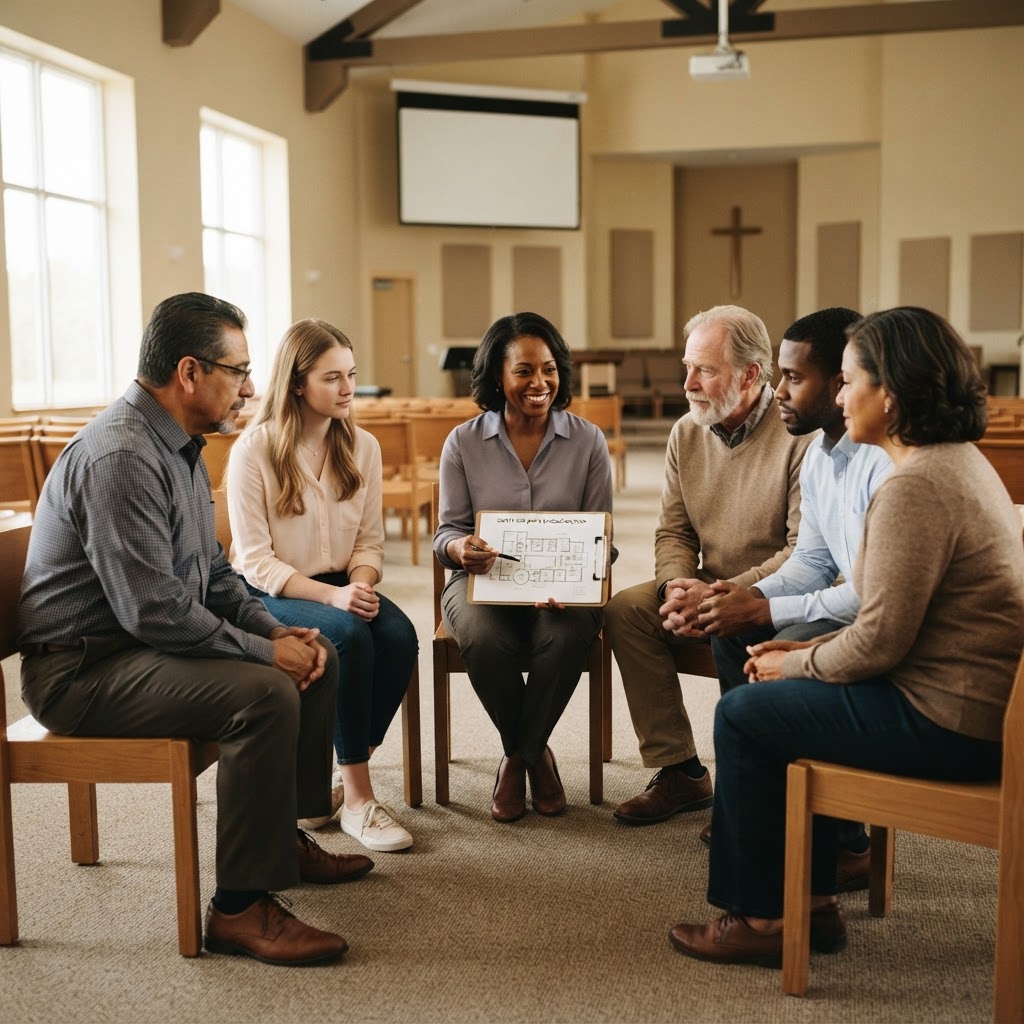
The sanctuary is quiet, filled with the soft rustle of hymnals and the hum of a congregant praying in the third row. Then, the unexpected happens—a sudden medical emergency, a power failure during a storm, or an unwelcome intrusion. In that singular, heartbeat-skipping moment, the congregation turns their eyes toward the front. They aren't just looking for spiritual comfort; they are looking for someone to lead them through the chaos.
We often treat church safety as a secondary concern, something to be managed by the facilities team after the sermon is finished. But leadership during a crisis is a fundamental part of pastoral stewardship. When panic threatens to take root, your response as a leader determines whether the room devolves into confusion or remains a place of order and safety.
Building a Foundation of Preparedness
Preparedness begins long before an emergency occurs. It starts with a shift in culture that values safety as a byproduct of love—loving your neighbor means ensuring the environment they walk into is protected. Your emergency plan should be more than a binder gathering dust in the back office; it must be a living document that every volunteer and staff member understands.
Pro Tip: Conduct a 'walk-through audit' with your local fire marshal or police liaison. Seeing your building through their eyes will reveal vulnerabilities—like blocked exits or inadequate lighting—that you have likely become blind to over the years.
Start by identifying your specific risks. A rural church with a massive parking lot faces different logistical challenges than a city-center building with tight stairwells. Map your facility, identify rally points outside the building, and designate clear communication channels for your security team. Documentation is vital here; if your emergency protocols change, ensure your board minutes reflect these updates so that institutional memory remains intact regardless of staff turnover.
The Psychology of Calm Leadership
In a crisis, the congregation mirrors the leader. If you are frantic, they will be terrified. If you are calm, they will be attentive. Training yourself to remain composed is not about suppressing fear; it is about having a pre-determined roadmap so that your brain can bypass the 'fight or flight' impulse and move straight to 'execute the plan.'
This is where recurring training becomes essential. Familiarity reduces adrenaline. When your ushers and greeters know exactly how to clear an aisle during a medical emergency, they move with purpose rather than hesitation. This level of coordination doesn't happen by accident—it happens through intentional, scheduled drills.
Readiness Levels Among Ministry Staff (Survey Data)
Executing Effective Drills and Rehearsals
Drills are often viewed as a nuisance, but they are the difference between a controlled response and a stampede. You do not need to terrify your congregation to prepare them. Instead, integrate safety cues into your regular flow. For instance, have your greeters rotate duty to ensure everyone is familiar with the location of AEDs, fire extinguishers, and medical supply kits.
Keep a clear record of these drills. When you hold a safety meeting or a fire drill, capture the key takeaways, who was present, and what gaps were identified. Using tools like ReadyPen can help automate the documentation of these important safety debriefs, ensuring that your leadership team always has an accurate history of what was discussed and what safety improvements were decided upon during board or staff meetings.
Standardizing Emergency Response Protocols
Every church should have a tiered response matrix. Not every crisis requires a 911 call, and not every disruption requires a full building evacuation. Having a clear set of 'triggers' ensures that your team acts consistently.
| Incident Type | Primary Action | Lead Person |
|---|---|---|
| Medical Emergency | Clear space, call 911, assist EMS | Safety Lead |
| Power Failure | Deploy battery lights, keep order | Facilities Lead |
| Unruly Individual | De-escalate, move away from crowd | Security/Deacon |
| Severe Weather | Move to designated interior room | Pastor/Admin |
Maintaining Clarity Under Pressure
The biggest enemy of a safe church is ambiguity. During an incident, people need clear, simple instructions. Leaders should be trained to use 'command language'—short, direct phrases. Instead of saying, 'Could you please think about moving to the back,' say, 'Please exit through the rear doors now.' This clarity prevents the 'bystander effect,' where individuals wait for others to act before moving themselves.
Pro Tip: Establish a 'Code Word' system for your staff and volunteers. If a sensitive situation is developing in the lobby, a simple code word over your two-way radio can alert security to respond without causing panic among the congregants nearby.
Key Takeaways
| Key Point | Actionable Details |
|---|---|
| Audit | Walk your facility with local authorities quarterly. |
| Communication | Use direct, clear commands to minimize congregant panic. |
| Documentation | Keep precise minutes of safety meetings and drill outcomes. |
| Training | Rotate drill scenarios to keep the team sharp and ready. |
Conclusion
Preparing for the unexpected is not a sign of lacking faith; it is an act of responsible shepherding. By planning, training, and committing to calm leadership, you create a sanctuary where people can worship without fear, knowing their leaders have taken every precaution for their physical well-being. As you refine your safety protocols, let ReadyPen handle the administrative heavy lifting by turning your planning sessions and safety meeting discussions into clear, organized notes so you can focus on leading your people with confidence—try ReadyPen free.