The Building Project That Stayed On Budget: Documentation as Discipline
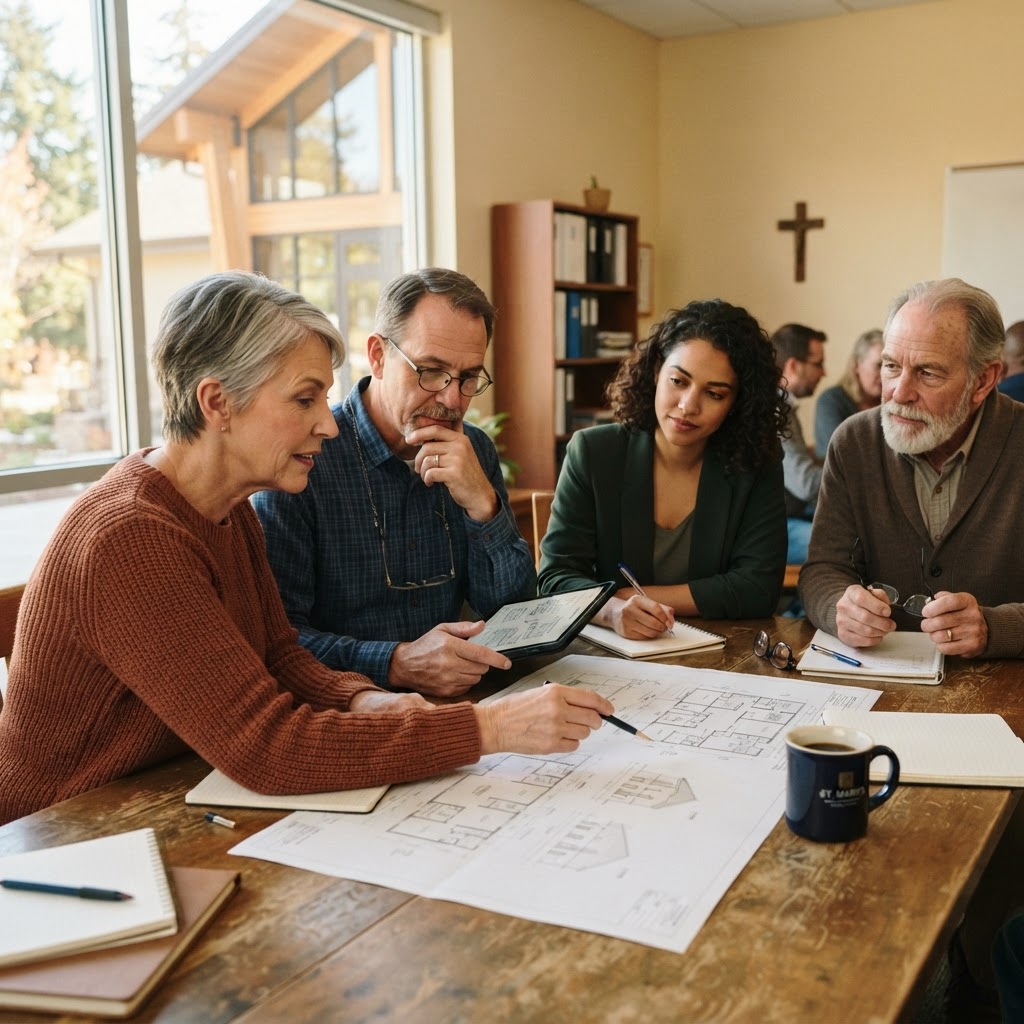
You know the sound. It is the rhythmic tapping of a pen on a mahogany board table, followed by the hesitant question: "Wait, did we approve an extra twenty thousand for the foyer lighting, or was that just an idea we liked?" Every pastor and church administrator has sat in that seat, staring at a set of blueprints that somehow feel like they are growing more expensive by the hour. It is the moment where the dream of a new sanctuary clashes with the reality of an overstretched budget.
The difference between a church building project that transforms a ministry and one that drains its reserve fund rarely comes down to architectural vision or contractor integrity. More often than not, it comes down to a humble, overlooked discipline: precise documentation. When every change, every budget adjustment, and every board decision is recorded with absolute clarity, the budget stops being a moving target and becomes a firm foundation. Documentation isn't just paperwork; it is the spiritual and fiscal discipline of stewarding the resources God has entrusted to your congregation.
The Anatomy of Scope Creep
Scope creep is the silent killer of ministry construction projects. It starts small: a suggestion for a slightly better tile in the lobby, an extra outlet here, a more complex sound system there. In the warmth of a building committee meeting, these sound like necessary improvements. Without a documented trail, the committee loses sight of the cumulative impact of these small decisions until a surprise invoice arrives that turns the air in the room cold.
Pro Tip: Implement a 'Decision Freeze' policy for all board meetings during the construction phase. Every requested change must be documented as an itemized request, with the specific budgetary impact calculated by your contractor before it can be added to the official project log.
Documentation acts as a natural friction point. By forcing a process where every change must be recorded and linked to a specific budget line item, you slow down the emotional decision-making process. This creates a space for the committee to weigh the ministry value against the fiscal reality.
Benchmark: The Cost of Information Asymmetry
In our experience working with church leadership teams, the clarity of meeting minutes directly correlates to the variance between initial project estimates and final expenditure. Below is a comparison of how different levels of documentation affect project outcomes.
| Documentation Practice | Likelihood of Budget Overrun | Impact on Board Trust |
|---|---|---|
| Verbal agreements only | Very High (75%+) | Low |
| General summary minutes | Moderate (40%) | Medium |
| Detailed, itemized decisions | Low (<10%) | High |
Project Budget Stability by Documentation Style
The Role of Automated Accuracy
The primary barrier to good documentation is human bandwidth. Your board secretary is likely a volunteer, a busy parent, or a staff member already wearing three other hats. Asking them to transcribe an hour-long meeting, identify the motion, record the vote, and cross-reference the budget is a heavy lift. This is where tools like ReadyPen become essential for modern church teams. By automating the capture of meeting transcripts and organizing the key action items, you remove the burden from the secretary and ensure that no motion is ever lost in a haze of ambiguity.
Building a Culture of Accountability
Documentation is a cultural issue as much as a technical one. When the board expects to see a written record of who approved what, the entire team begins to act with more intentionality. It shifts the atmosphere of the room from a brainstorming session to a stewardship session. People tend to suggest fewer extravagant changes when they know that their request will be formally recorded and attached to a dollar amount in the official minutes.
Pro Tip: Always include a 'Fiscal Update' section as the first item on your agenda. Read the previous month's construction expenses aloud before beginning new deliberations to anchor the meeting in current reality.
Key Takeaways
| Point | Details |
|---|---|
| Stop Scope Creep | Use written logs to prevent small changes from compounding. |
| Anchor Reality | Review the budget status at the start of every board meeting. |
| Leverage Automation | Use tools to capture minutes accurately without manual labor. |
| Increase Stewardship | Documentation builds trust and honors your congregation’s giving. |
Conclusion: The Stewardship of Paperwork
Ultimately, a building project that stays on budget is a powerful witness to a congregation. It says that you are reliable stewards of the gifts God has provided. By choosing to embrace documentation as a spiritual discipline, you are protecting the future of your ministry from the chaos of unchecked ambition. Accurate records are the guardrails that keep your project on the narrow path to completion. If you want to take the stress out of your administrative workflow, you can try ReadyPen free and let us handle the documentation while you focus on the vision.