The 30-Day Launch: Onboarding New Deacons and Elders Effectively

The First Meeting Syndrome
We have all seen it happen. A new deacon or elder is voted in with great fanfare, shakes a few hands on Sunday morning, and then shows up to their first board meeting feeling like an outsider at a family reunion. They sit quietly, unsure of the unspoken rules, the history of the current budget, or even how to properly voice a concern. By the third month, their initial enthusiasm has often been replaced by a quiet, polite confusion.
Leadership transitions are high-stakes moments for any ministry. When we fail to onboard new leaders, we don't just lose their potential; we risk stalling the momentum of the entire board. Instead of a cohesive team, we end up with a group of individuals who are all reading from different scripts. The good news is that you don't need a corporate HR department to fix this. You just need a plan that moves from orientation to integration.
Week 1: The Foundation of Context
The first week is about removing the mystery. New leaders need to understand the 'why' behind the 'what.' Start by providing a digital or physical 'Leadership Packet' that includes the church’s bylaws, the most recent annual report, and a clear organizational chart. Do not assume they know the history of the current building project or the nuances of the church’s financial health.
Schedule a one-on-one coffee or a brief meeting with the board chair or lead pastor. This is not for business; it is for relationship building. Use this time to ask them about their spiritual gifts and where they feel most called to serve. When a leader feels known, they are far more likely to speak up when it matters.
Week 2: Understanding the Rhythm of Governance
Governance is often the most intimidating part of the role. New elders and deacons need to understand how decisions are actually made. Are you a consensus-based board? Do you follow a specific parliamentary procedure? This is where tools like ReadyPen can be a game-changer, as they allow new members to review past meeting minutes and action items, giving them a clear view of the board's decision-making history without having to ask a dozen repetitive questions.
Pro Tip: Create a 'Glossary of Church Terms' for your new leaders. Every church has its own internal language—acronyms for committees, names of specific funds, or shorthand for ministry programs. Defining these early prevents the 'I’m too embarrassed to ask' barrier.
During this week, invite them to observe a committee meeting or a subcommittee session. Seeing the work in action—rather than just reading about it—helps them understand the practical application of the board’s vision.

Week 3: The Practicality of Participation
By the third week, it is time to move from observation to contribution. Assign them a 'mentor'—a seasoned board member who can act as a sounding board. This mentor should be someone who is not the pastor, providing a safe space for the new leader to ask questions like, 'Why do we do it this way?' or 'What happens if I disagree with the majority?'
This is also the time to review the current board calendar. Show them the upcoming milestones for the year, from the budget approval process to the annual congregational meeting. When leaders see the full scope of the year, they can better prepare their hearts and minds for the seasons of heavy lifting.
New Leader Confidence Levels (Illustrative)
Week 4: Integration and Commissioning
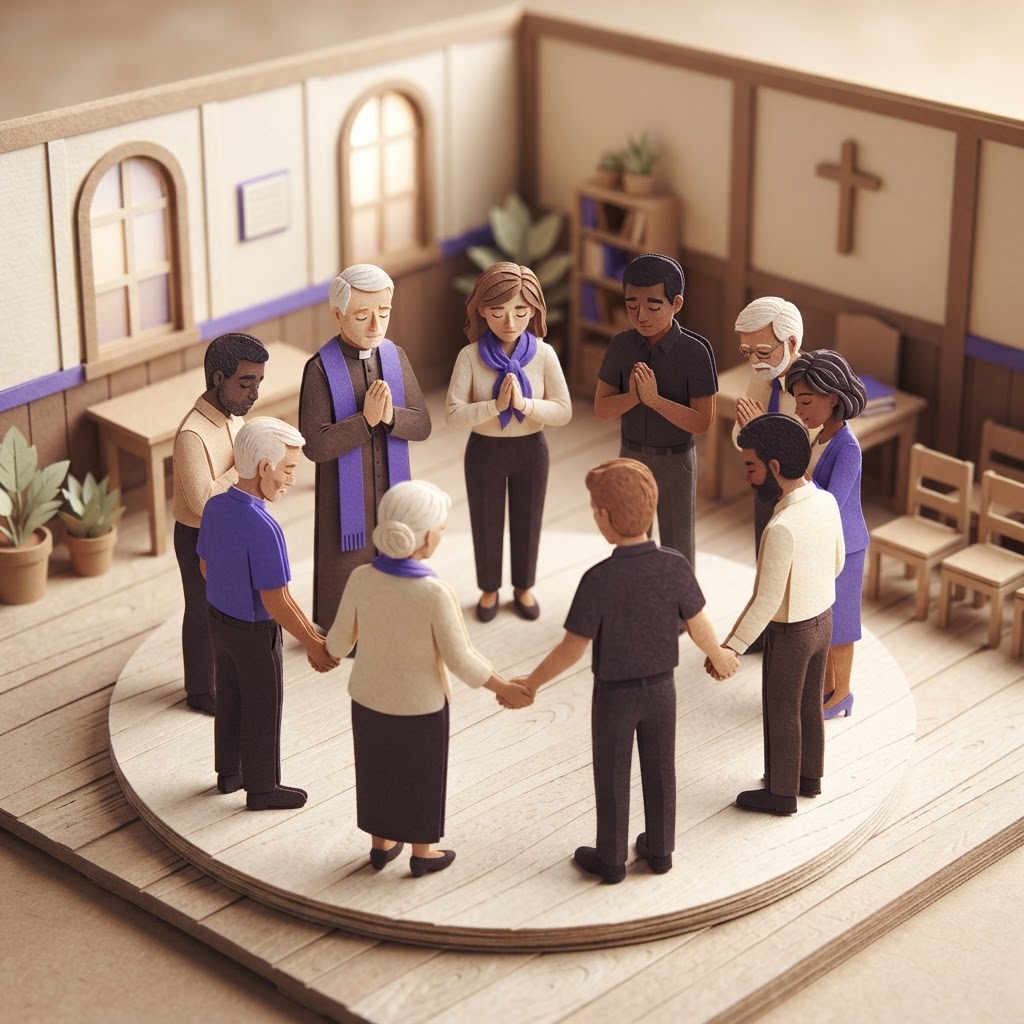
The final week of the 30-day plan should focus on spiritual alignment. Host a dedicated time of prayer for the new leaders. This isn't just a formality; it is a public acknowledgment of their calling. During this time, review the expectations for the role one last time to ensure there is no 'mission drift' between what the board expects and what the new leader understands.
| Phase | Focus Area | Key Outcome |
|---|---|---|
| Week 1 | Orientation | Understanding the 'Why' and the History |
| Week 2 | Governance | Learning the 'How' of Decision Making |
| Week 3 | Mentorship | Building Relationships and Confidence |
| Week 4 | Commissioning | Spiritual Alignment and Full Integration |
Pro Tip: Don't wait for the first board meeting to introduce them to the team. Send a short bio and a 'get to know you' note to the existing board members before the new leader’s first official session. It breaks the ice before they even walk through the door.
Key Takeaways
| Point | Details |
|---|---|
| Start Early | Don't wait for the first meeting; begin the onboarding process the moment they are confirmed. |
| Provide Context | Share the history, bylaws, and financial realities to prevent confusion. |
| Assign Mentors | Pair new leaders with experienced members for a safe space to ask questions. |
| Use Technology | Leverage tools to provide easy access to past minutes and action items. |
| Focus on Prayer | Ensure the process remains rooted in spiritual calling, not just administrative tasks. |
Conclusion
Onboarding is not about checking boxes; it is about empowering people to lead with confidence and clarity. When you invest the time to walk new deacons and elders through the first 30 days, you are building a stronger, more unified foundation for your church’s future. By removing the administrative friction of leadership, you allow your team to focus on what truly matters: the mission of the church. If you are looking for a way to keep your board aligned and your documentation seamless, try ReadyPen free to automate your meeting notes and keep your leadership team on the same page.