Stop the Guesswork: Documenting Your Worship Sets for Success
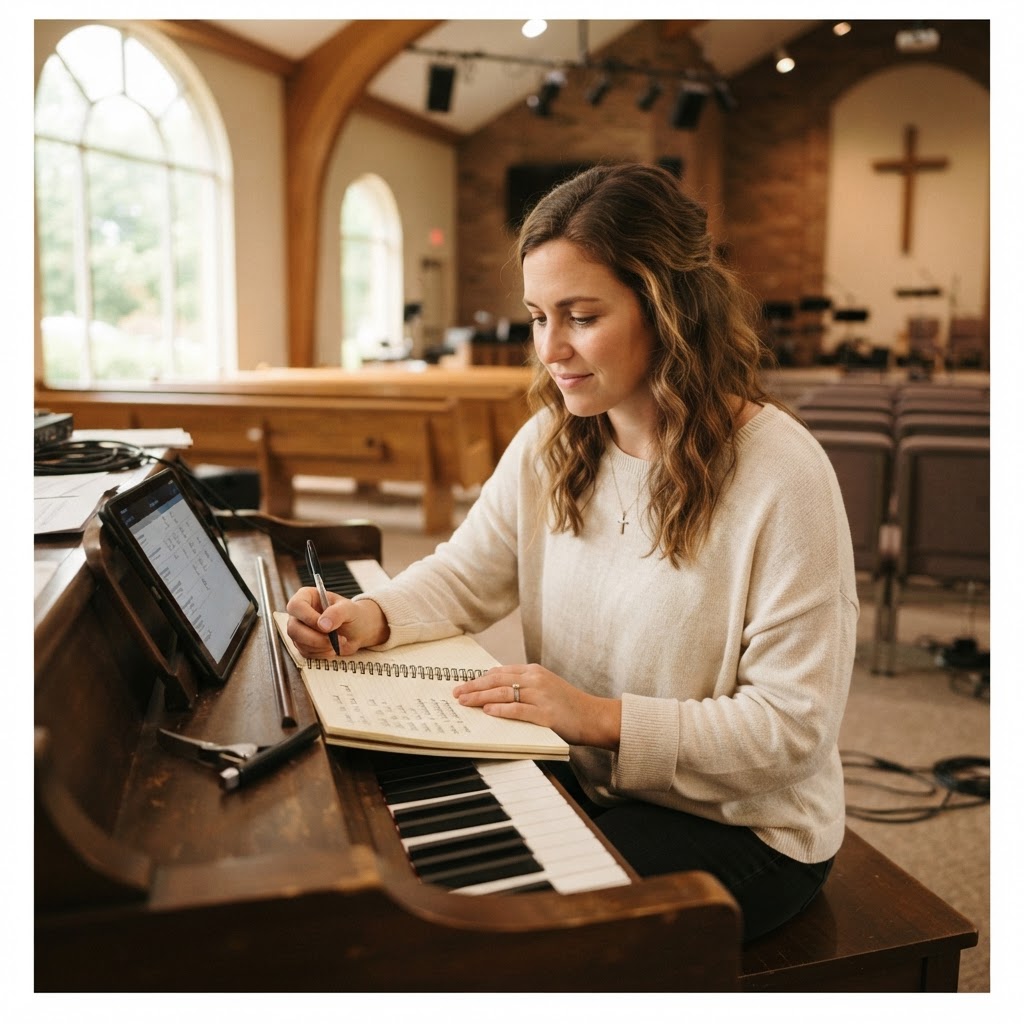
You know the feeling. It is Tuesday morning, the music director is frantically scrolling through text messages, and the keys for Sunday's worship set are still a mystery. Meanwhile, the bass player is practicing a version of the bridge that changed three weeks ago, and the vocalist is still relying on a chord sheet that was marked up with handwritten changes in early 2022. It is a cycle of musical whiplash that steals your time and drains your team's energy before the first rehearsal even begins.
We often treat worship planning as an ephemeral act—a fleeting creative burst that happens in the quiet moments before the week takes over. But when we fail to document the reality of the music we played, we are setting ourselves up for technical friction and creative exhaustion. If you have ever wondered why your rehearsals feel like a constant game of catch-up, it is likely because your "musical history" isn't actually being written down anywhere.
Building a Repeatable Musical Legacy
The first step toward healthier worship ministry is recognizing that every song performed is a data point. When you document your arrangements—not just the song title, but the specific key, the tempo, the transitions, and the unique instrumental textures—you build a library of intelligence. This is particularly vital for churches that rotate volunteers. A bassist who hasn't played in three weeks shouldn't have to guess whether you are doing the original recording's arrangement or the pared-down version your worship leader prefers.
Pro Tip: Create a 'Master Song Log' that tracks not just the key, but the specific version arrangement, such as 'Standard,' 'Acoustic-Lead,' or 'High-Energy Finale,' to ensure everyone is reading the same script.
When you start documenting these details, you move from "putting out fires" to "scaling your ministry." You can review your historical sets to ensure variety, prevent song fatigue, and give your production team the roadmap they need for lighting and sound cues well before Sunday arrives.
The Value of Tracking Instrumental Roles
One of the most overlooked aspects of worship documentation is recording "who played what." It isn't just about keeping attendance; it is about mapping the sonic footprint of your service. By documenting which instruments were utilized for specific songs, you gain clarity on your current capabilities and identify gaps in your volunteer bench. Are you relying too heavily on keys? Is your lead guitar consistently absent from the second set? These insights only emerge when you look at the retrospective data.
| Category | Why Document It? | Impact on Ministry |
|---|---|---|
| Key Signature | Prevents mid-service vocal strain. | Better musical quality and confidence. |
| Arrangement Style | Ensures consistency for volunteers. | Reduced rehearsal anxiety. |
| Instrumental Load | Tracks band density/texture. | Improved sound mixing and balance. |
| Transition Plan | Prevents awkward silences. | Seamless flow of worship. |
Visualizing Your Rehearsal Efficiency
When you have a record of your worship data, you can see exactly where your team spends their time. Often, we assume we spend most of rehearsal practicing, but without documentation, we tend to spend it clarifying arrangements that were never finalized. The chart below illustrates the common time-sinks in a typical two-hour rehearsal environment.
Time Allocation in Rehearsal (Pre-Documentation Era)
Leveraging Technology for Better Flow
Modern ministry teams have a significant advantage: we no longer need to rely on messy paper pads or scattered emails. Using digital documentation tools allows your planning to be dynamic. When you centralize your meeting notes and musical planning, you create a "single source of truth" that everyone can access. This is exactly where platforms like ReadyPen shine, by ensuring that your planning sessions result in actionable, shared documentation that keeps everyone aligned, whether they are on stage or in the sound booth.
Pro Tip: Use a standardized template for every set list that requires a 'Notes' field for each song, specifically dedicated to transitions. That one small habit saves minutes of talking every single Sunday.
Key Takeaways
Documenting your worship sets is an investment in your team's peace of mind. Here is a summary of how to stay organized:
| Core Concept | Key Action Item |
|---|---|
| Consistency | Standardize your song arrangement logs. |
| Clarity | Clearly map out instrumental roles for each song. |
| Efficiency | Centralize documentation to reduce rehearsal talk time. |
| Visibility | Use historical set data to balance your worship themes. |
Conclusion: Moving From Chaos to Harmony
Great worship ministry is built on the foundation of preparation. By documenting the keys, arrangements, and instrumental roles, you are not just managing logistics; you are creating an environment where your team can stop worrying about the technical "how" and focus on the spiritual "why." You don't have to do it alone—let try ReadyPen free to see how we automate your meeting notes and documentation so you can get back to the work of ministry.