QR Codes in the Pew: How Small Tech Boosts Church Engagement
You have seen it happen a dozen times: the service ends, the benediction is spoken, and the congregation begins to file out. Somewhere in the middle of that shuffle, a visitor quietly slips out of the side door, clutching a paper bulletin they didn't really read, while a long-time member forgets to sign up for the upcoming community breakfast because they left their pen at home. The gap between the sanctuary and genuine connection is often just a few feet of carpet, yet it feels like a canyon for your ministry team trying to capture data or encourage participation.
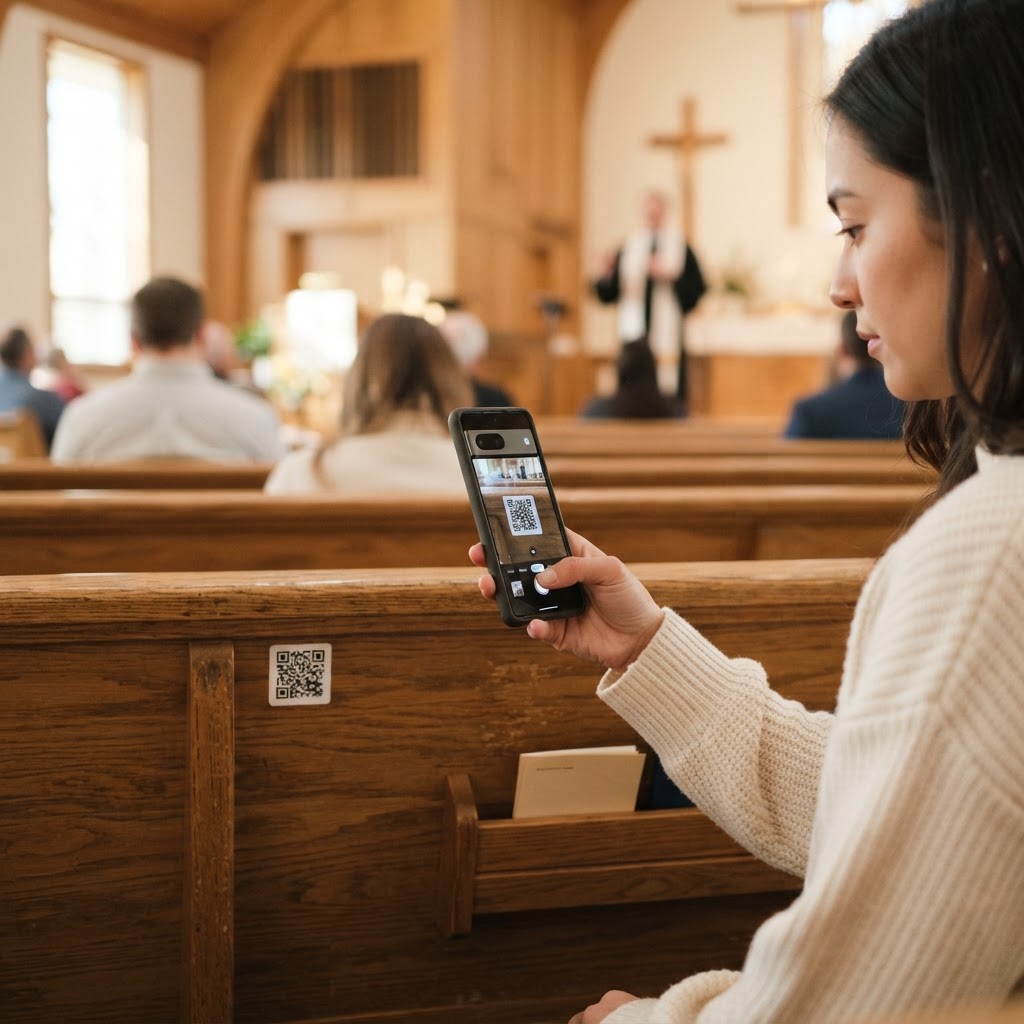
What if the solution wasn't another expensive app or a complicated portal, but a tiny, black-and-white grid already sitting on the back of the pew in front of them? QR codes have shed their reputation as a clunky relic of the early 2000s to become the most efficient bridge between physical presence and digital engagement. For church leaders tasked with shepherding a flock in an increasingly distracted world, this simple piece of technology offers a frictionless path to deeper involvement.
Turning Passive Observers Into Active Participants
In the past, engagement meant manually counting heads or hoping someone would find the 'Contact Us' form on a website that was buried under three layers of navigation. When you place a QR code on a bulletin, a screen, or the back of a pew, you reduce the 'cost' of participation to a single click. A visitor no longer needs to wait for a greeter to have a moment; they can immediately register their attendance, submit a prayer request, or browse ministry opportunities while the choir is still humming the final hymn.
Pro Tip: Always include a brief call to action next to your QR code. Instead of just a lone graphic, write something like 'Scan to check in or share a prayer request' so your congregants know exactly what they are getting when they pull out their phones.
The Efficiency of Instant Data Collection
For administrative teams, the primary benefit of the QR code is the automation of data. When congregants input their own information, you eliminate the tedious hours spent transcribing illegible handwriting from connection cards. This shift not only saves time but also improves the accuracy of your church database. This is the same philosophy we champion at ReadyPen, where we believe your time is better spent on ministry than on manual documentation. By digitizing the entry point at the pew, you ensure your records are current and actionable from the moment the service ends.
Effectiveness of QR Codes vs. Paper Cards (Illustrative)
Strategic Placement for Maximum Impact
Placement is everything. If the code is too small or located in a spot where users feel awkward pulling out their phones, it will be ignored. Think of the QR code as a digital invitation. Place them on the pew back where they are eye-level, or integrate them into your slide deck during the welcome segment. Using a consistent, branded design helps congregants recognize that this is a safe, reliable way to connect with the church, rather than a suspicious link.
| Location | Best For | Conversion Potential |
|---|---|---|
| Pew Back/Chair Back | Weekly Check-in/Prayer | High |
| Weekly Bulletin | Events/Giving Links | Medium |
| Sanctuary Screens | Immediate Calls to Action | Very High |
| Lobby/Welcome Desk | Visitor Sign-up | Low (Traffic flow issues) |
Reducing Friction in the Giving Process
Generosity is a core tenet of church life, yet the traditional passing of the plate can feel antiquated to younger generations who rarely carry cash. QR codes bridge this gap by offering a discreet, convenient way to give. By linking a QR code directly to your mobile giving platform, you allow members to participate in the act of giving in real-time, removing the hurdle of having to visit the website later in the week when their initial intention may have faded.
Pro Tip: If you use a QR code for tithes and offerings, use a URL shortener or a dedicated landing page that tracks the 'source' of the traffic. Knowing that a gift originated from a Sunday morning scan helps you understand which communication channels are actually driving generosity.
Key Takeaways
| Point | Details |
|---|---|
| Instant Connection | QR codes eliminate the delay between service engagement and database entry. |
| Data Integrity | Self-reporting via digital forms reduces errors from manual transcription. |
| Strategic Layout | Use consistent branding and clear calls to action to ensure trust. |
| Giving Convenience | Mobile-friendly links remove friction for digital-first givers. |
Conclusion
Implementing QR codes in your sanctuary is more than just a nod to modern tech; it is a way to honor your congregants' time and make your administrative processes more fluid. By meeting people where they are—literally, in the pew with their phones—you open a window for deeper connection and better stewardship of your church’s resources. Just as you look for ways to streamline your outreach, consider how you handle the resulting information. If you find your administrative burden is still high after the service, remember that try ReadyPen free to automate the rest of your meeting documentation and keep your focus where it belongs: on the ministry.