Preventing Volunteer Burnout: Early Warning Signs and Ministry Fixes

You notice it in the small things: a reliable greeter who suddenly misses two Sundays in a row, a board secretary who stops responding to emails, or a worship leader who seems cynical during rehearsals. If you are seeing these shifts, you are already witnessing the early stages of volunteer burnout. The fix is not simply asking for more commitment; it is shifting your culture from one of extraction to one of genuine care and sustainable systems.
Burnout is rarely a sudden event; it is a slow erosion of joy and motivation. By recognizing the warning signs—such as increased irritability, withdrawal from community, or a loss of passion for their specific role—you can intervene before a volunteer reaches the point of total exhaustion. The most effective way to prevent this is to stop treating volunteers like a resource to be managed and start treating them like ministers to be shepherded.
The Early Warning Signs of Ministry Fatigue
Burnout often hides behind a mask of competence. A volunteer might continue to show up, but their internal state is deteriorating. Watch for these behavioral shifts that indicate a need for intervention:
- Increased Irritability: Small logistical hiccups that used to be handled with grace now trigger frustration or anger.
- Withdrawal: The volunteer stops participating in pre- or post-service fellowship, arriving exactly when needed and leaving immediately after.
- Cynicism: A shift in tone during meetings, where the volunteer begins to question the purpose or value of the ministry.
- Chronic Fatigue: Expressing exhaustion that goes beyond physical tiredness, often accompanied by a sense of dread regarding upcoming tasks.
- Loss of Initiative: Moving from proactive problem-solving to doing only the bare minimum required to avoid criticism.
When you spot these signs, the goal is not to push harder but to pause. As noted in recent ministry leadership discussions, church membership should be a source of life, not a burden. If a volunteer is struggling, it is often a sign that the current structure of the ministry is unsustainable for them.
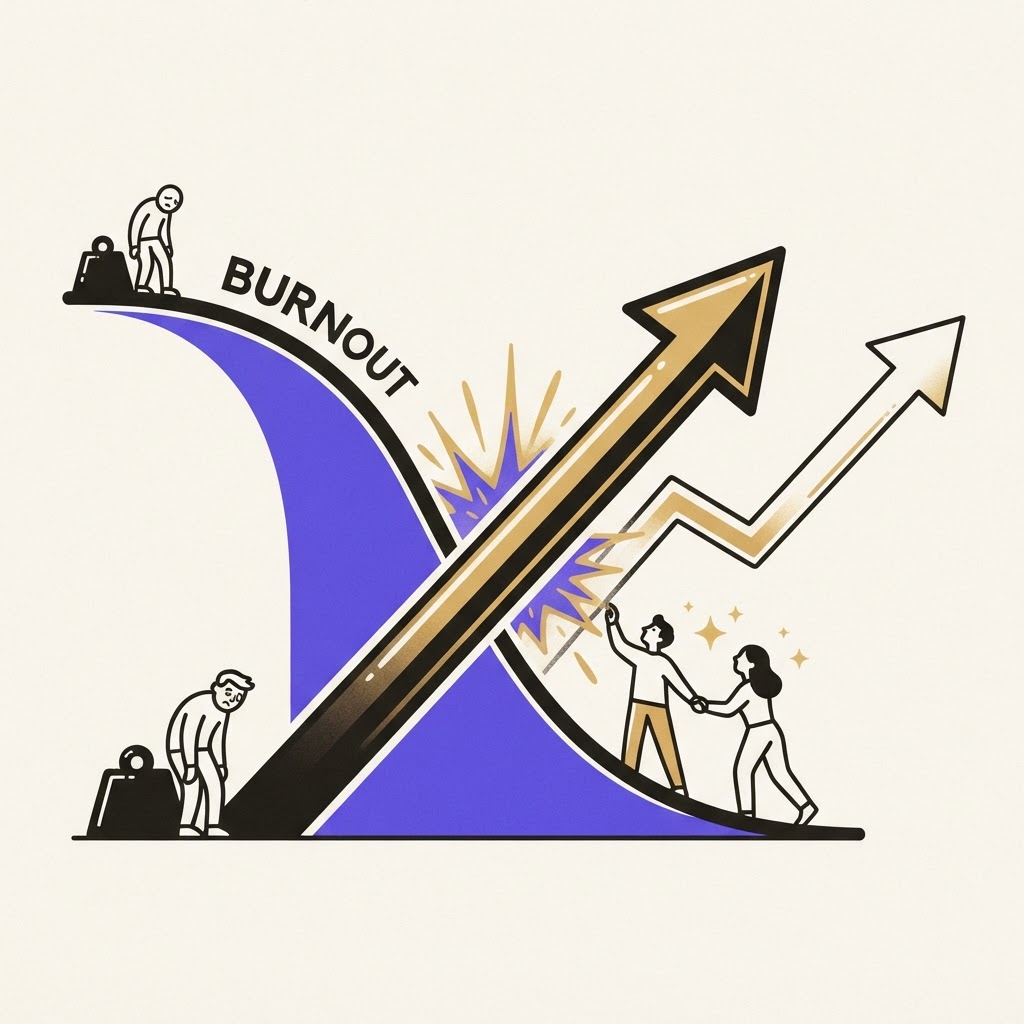
Common Drivers of Volunteer Burnout
Practical Fixes for a Healthier Ministry Culture
Preventing burnout requires moving from reactive crisis management to proactive care. Here is a framework for building a more sustainable volunteer environment:
| Strategy | Actionable Step |
|---|---|
| Define Boundaries | Clearly outline the time commitment for every role before a volunteer signs up. |
| Automate Admin | Use tools to handle scheduling and reminders so volunteers don't carry the mental load. |
| Regular Check-ins | Schedule quarterly "care conversations" that are not about tasks, but about their spiritual health. |
| Sunset Programs | If a ministry lacks the volunteers to run it well, be willing to pause or end it. |
Pro Tip: Never assume a volunteer is okay just because they keep showing up. Create a culture where it is safe to say, "I need a season of rest," without fear of judgment or loss of status.
The Role of Administrative Efficiency
Much of the "hidden" burnout in churches comes from administrative friction. When a volunteer has to spend their limited time chasing down meeting minutes, tracking schedules, or managing endless email threads, they lose the joy of the ministry itself. This is where tools like ReadyPen can help. By automating the documentation of meetings and ensuring that action items are clear, you remove the administrative burden that often weighs down your most dedicated board members and ministry leaders.

Key Takeaways
| Point | Details |
|---|---|
| Spotting Signs | Look for irritability, withdrawal, and cynicism rather than just attendance. |
| Culture Shift | Move from "extraction" to "shepherding" volunteers. |
| Systematize | Use automation to remove the "mental load" of administrative tasks. |
| Permission to Rest | Normalize taking breaks to prevent long-term burnout. |
Conclusion
Volunteer burnout is not an inevitable cost of doing ministry; it is a signal that your systems need to change. By prioritizing the health of your people over the output of your programs, you create a sustainable environment where volunteers can serve for the long haul. When you remove the administrative friction that drains their energy, you free them to focus on the work they were called to do. ReadyPen helps churches reclaim that time by automating meeting documentation and minutes, allowing your team to focus on ministry rather than paperwork. You can try ReadyPen free to see how it can support your team's health.