Live Minutes vs. Post-Meeting Transcription: Which Wins for Churches?
The Dilemma of the Church Secretary
You are sitting in the back of the fellowship hall, laptop open, trying to capture the exact wording of a motion while the treasurer is mid-sentence and the pastor is already moving to the next agenda item. You feel the familiar pressure: if you stop to type, you miss the nuance of the discussion; if you listen, you lose the record of the decision. Many church secretaries and board clerks face this exact tension every month. The answer to which method produces better records is clear: neither manual live-typing nor raw post-meeting transcription is sufficient on its own. The most accurate, defensible records come from a hybrid workflow where AI handles the capture, and a human provides the governance.
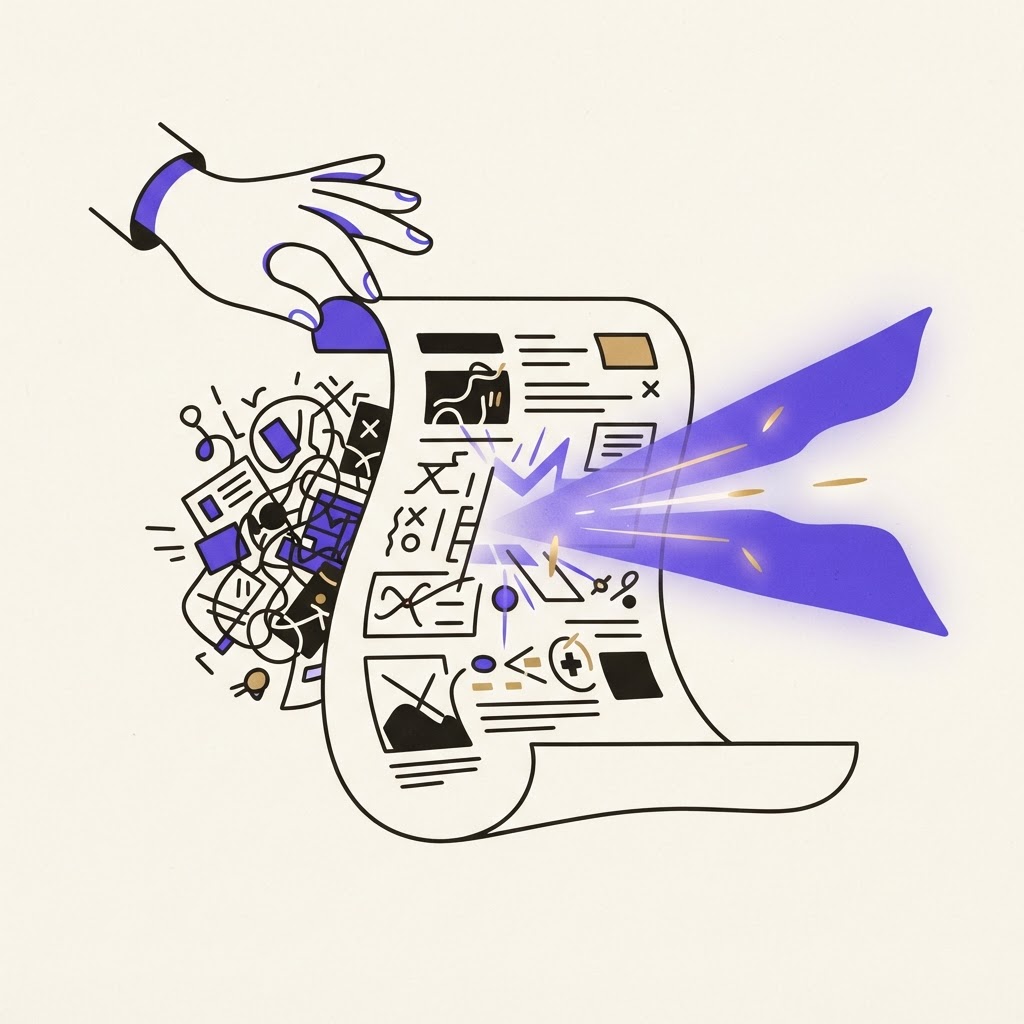
For years, the standard advice was to either take shorthand notes during the meeting or rely on a digital recorder to transcribe later. However, both methods have significant flaws. Live-typing often results in incomplete records because the secretary cannot keep pace with rapid-fire board discussions. Conversely, relying solely on a full transcript after the fact creates a "data dump"—a document filled with irrelevant chatter, emotional tangents, and sensitive personal comments that should never be part of an official, permanent church record.
The Hidden Risks of Manual Note-Taking
When you rely on manual, live-written minutes, you are essentially acting as a filter in real-time. While this keeps the document concise, it introduces a high risk of human error. If you mishear a motion or fail to capture the specific rationale behind a vote, that error becomes the official record. In a church setting, where board minutes often serve as the primary reference for financial decisions or policy changes, an inaccurate record can lead to confusion or even legal disputes years down the road.
Furthermore, the person tasked with taking minutes is often a volunteer or a busy staff member who also needs to participate in the meeting. When your attention is split between the keyboard and the conversation, you aren't fully present for either. This leads to "meeting fatigue," where the secretary leaves the room feeling like they missed the heart of the ministry discussion because they were too busy documenting the logistics.
Efficiency Comparison: Manual vs. AI-Assisted Workflow
Pro Tip: Never treat a raw AI transcript as your official minutes. Use the transcript as a "reference layer" to verify facts, but always draft your final minutes to focus on motions, votes, and action items.
Why Raw Transcripts Are Not Minutes
Some churches have moved to recording meetings and using automated transcription services to generate a full text of the conversation. While this is excellent for capturing every word, it is terrible for governance. A transcript is not a record of what was decided; it is a record of what was said. It includes the "umms," the off-topic jokes about the potluck, and the heated debates that were eventually resolved. If a church member or an auditor requests to see the minutes, they should see a clean, professional summary—not a 40-page transcript of every thought shared in the room.
At ReadyPen, we believe that technology should serve the church's need for clarity, not just volume. We built our tool specifically to help ministry teams move from raw audio to structured, actionable minutes without the manual labor of transcribing or the risk of missing key details.
The Hybrid Workflow: A Better Way
The most effective approach for any church board is to use a tool that captures the meeting audio and provides an AI-generated summary, which the secretary then reviews and refines. This process ensures that the "official" record is human-verified while the "heavy lifting" of documentation is automated.
| Method | Pros | Cons |
|---|---|---|
| Live Manual Notes | Immediate, concise | High error rate, distracting |
| Raw Transcription | Complete capture | Too much noise, lacks focus |
| AI-Assisted Hybrid | Accurate, fast, professional | Requires human review |
By using an AI-assisted workflow, you can focus on the "governance" aspect of your role—ensuring that the minutes reflect the spirit and the letter of the board's decisions—rather than acting as a stenographer.
Key Takeaways
| Point | Details |
|---|---|
| The Goal | Minutes should be a neutral, accurate record of decisions and actions. |
| The Problem | Manual typing is prone to error; raw transcripts are too cluttered. |
| The Solution | Use AI to capture the meeting, then edit for clarity and neutrality. |
| The Standard | Always have a human review and approve the final document. |
Conclusion
Your church board meetings are where the vision for your ministry is shaped and solidified. Don't let the administrative burden of documentation distract you from the mission. By moving away from the binary choice of "live-typing vs. transcribing later" and embracing a hybrid, AI-assisted workflow, you can produce minutes that are both accurate and easy to manage. If you are ready to streamline your church's documentation process, you can try ReadyPen free to see how we automate the heavy lifting for ministry teams.