Hosting a Peaceful Congregational Meeting: A Guide for Church Leaders
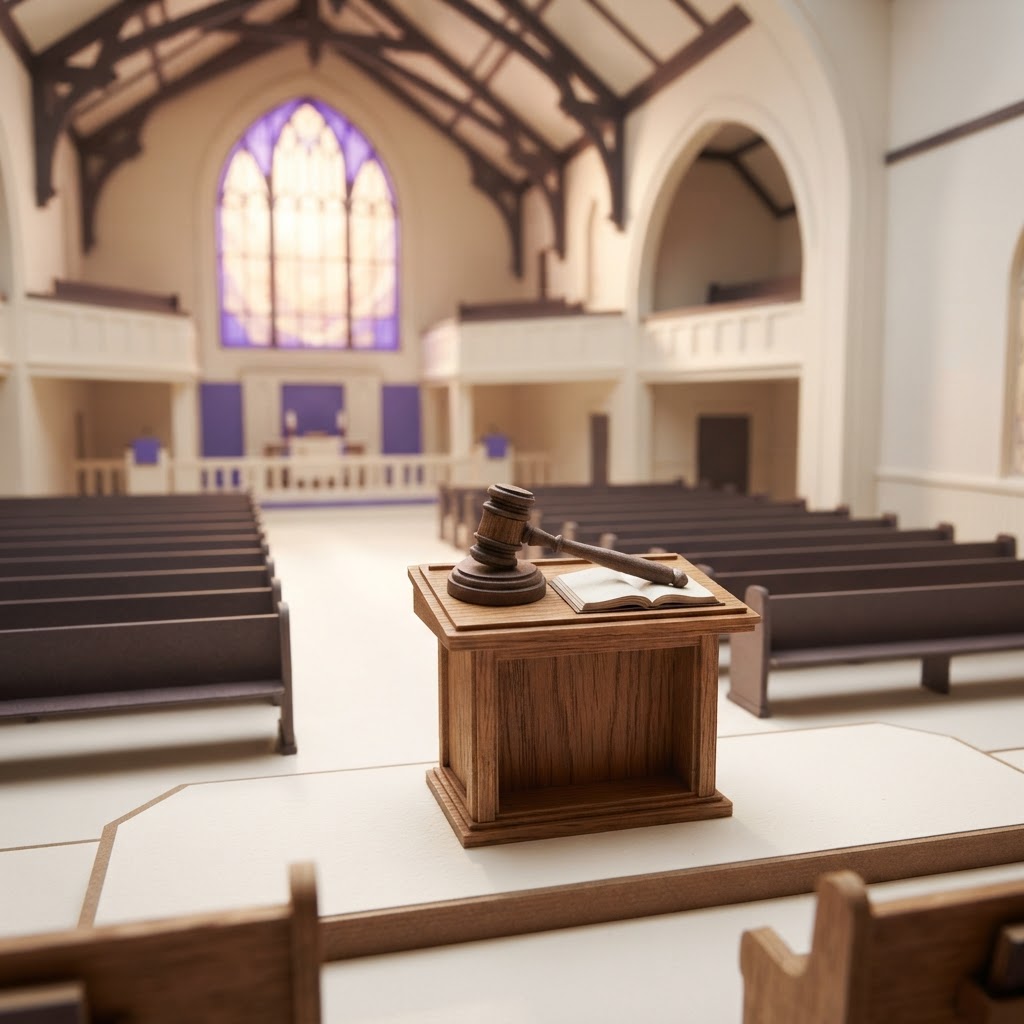
The sanctuary is quiet, the agenda is printed, and the coffee is brewed. Yet, as the minutes tick toward the start of your annual congregational meeting, you feel that familiar tightening in your chest. You know the topics on the docket—a budget deficit, a potential building project, or a shift in leadership structure—have the potential to turn a routine business gathering into a flashpoint of division. You are not just presiding over a meeting; you are shepherding a community through a process that can either build trust or erode it.
Running a congregational meeting is fundamentally a spiritual act of stewardship. When congregants gather to vote, they are participating in the life of the church in a way that feels intensely personal. If the process feels chaotic or rigged, people feel disenfranchised. If it feels orderly and gracious, they leave feeling heard, even if their preferred outcome wasn't selected. The difference between those two outcomes is rarely the business itself; it is the preparation and the posture of the chair.
The Anatomy of Preparation: Eliminating Surprises
The most common source of friction in any congregational meeting is the element of surprise. When someone stands up during the "Open Floor" section to raise a concern that could have been addressed in a private meeting, it puts the leadership on the defensive and signals a lack of transparency. Preparation is your best defense against disorder.
Create a comprehensive packet at least two weeks before the meeting. This should include the budget, committee reports, and clear, written descriptions of any proposed motions. If a major decision is coming, host a Town Hall session one week prior. This allows the "heat" to dissipate in a lower-stakes environment where questions can be answered without the pressure of a formal parliamentary vote. By the time the annual meeting arrives, the congregation should be reviewing familiar information, not reacting to new proposals.
Pro Tip: Use a clear, simple document for your agenda. For complex meetings, consider using a tool like ReadyPen to generate a clean, searchable summary of previous discussions, ensuring your board or committee is aligned on the historical context before you step onto the platform.

Defining the Rules of Engagement: Logistics and Voting
Chaos often grows in the gap between what people expect and how the meeting actually proceeds. Before you open the floor, you must articulate the rules of the road. Don't assume everyone knows parliamentary procedure. Even if you use Robert's Rules of Order, give a brief, warm summary of how the meeting will flow. Explain how to gain the floor, how much time each speaker is allotted, and exactly how the voting process will function.
For voting, clarity is king. Whether you use paper ballots, digital voting apps, or voice votes, the method must be unimpeachable. If the vote is sensitive, use paper ballots even if it feels slow. The perception of a fair process is just as important as the reality. Ensure your tellers are respected members of the congregation who are seen as neutral parties, and provide them with clear, written instructions on how to handle contested votes before the meeting begins.
Congregational Meeting Efficiency Benchmarks
Managing Hot Topics with Gracious Authority
Even with perfect preparation, a "hot topic" may emerge. When a congregant brings up a controversial issue, your role as the moderator is to remain a non-anxious presence. Do not shut them down abruptly, but do not allow them to hijack the agenda. Acknowledge their concern, validate their passion, and then offer a clear path forward. If the issue is not on the agenda, suggest a private follow-up meeting between the individual and the appropriate leadership team.
Remember that you are leading a church, not a corporate board. Use language that reflects your values. Instead of saying, "We don't have time for this," try, "That is a deeply important question that deserves a more robust conversation than we can provide in this setting; I would love to meet with you this week to discuss it further." This protects the meeting flow while demonstrating that you value the person and their contribution.
The Chairperson’s Checklist for Success
Preparation is not just about the documents; it is about the logistics of the room itself. Use this table as a pre-meeting audit to ensure you haven't missed the small details that can cause big headaches.
| Category | Task | Owner |
|---|---|---|
| Documentation | Distribute digital/physical packets 14 days out | Church Clerk |
| Environment | Test microphone/AV and seating layout | AV Team |
| Procedure | Appoint and train tellers on ballot counting | Moderator |
| Conflict Prep | Anticipate 3-5 tough questions for the FAQ | Leadership |
| Record Keeping | Ensure recording system is active | Secretary |

Maintaining Order Without Losing Warmth
A meeting can be strictly orderly and completely cold. The goal is a hybrid: professional efficiency with a heart for the people. This starts with the moderator’s tone. If you are frantic, the room will be tense. If you are calm, measured, and kind, the room will likely follow suit. When a vote does not go someone's way, offer a moment of prayer for the unity of the church. This acts as a spiritual reset button, reminding everyone that they are part of a body that transcends the specific business at hand.
Pro Tip: Always have a dedicated scribe or use a recording system to ensure the history of the discussion is preserved accurately, not just the final outcome. Future generations need to see how the church navigated these decisions, not just what was decided.
Key Takeaways
| Point | Details |
|---|---|
| Transparency | Send all materials well in advance to prevent shocks. |
| Procedure | Clearly define voting and speaking rules at the start. |
| Presence | Stay calm; your anxiety will set the tone for the room. |
| Conflict | Address concerns with empathy, but redirect off-agenda items. |
| Documentation | Ensure accurate record-keeping for the church's legacy. |
Conclusion: Moving Forward in Unity
Leading an annual congregational meeting is one of the most visible demonstrations of a leader’s integrity. By preparing well, establishing clear processes, and maintaining a posture of kindness, you create a space where the Holy Spirit can move even through the mundane realities of budgets and bylaws. Your goal is for every member to leave the room feeling that the church was stewarded with care and that their voice was honored, regardless of the voting results.
ReadyPen simplifies the documentation process by helping you keep track of every action item and decision, so your team can focus on leading rather than scrambling to record the minutes. To see how it can help you maintain better records and accountability, try ReadyPen free.