From Meeting Room to Youth Room: Turning Decisions into Results
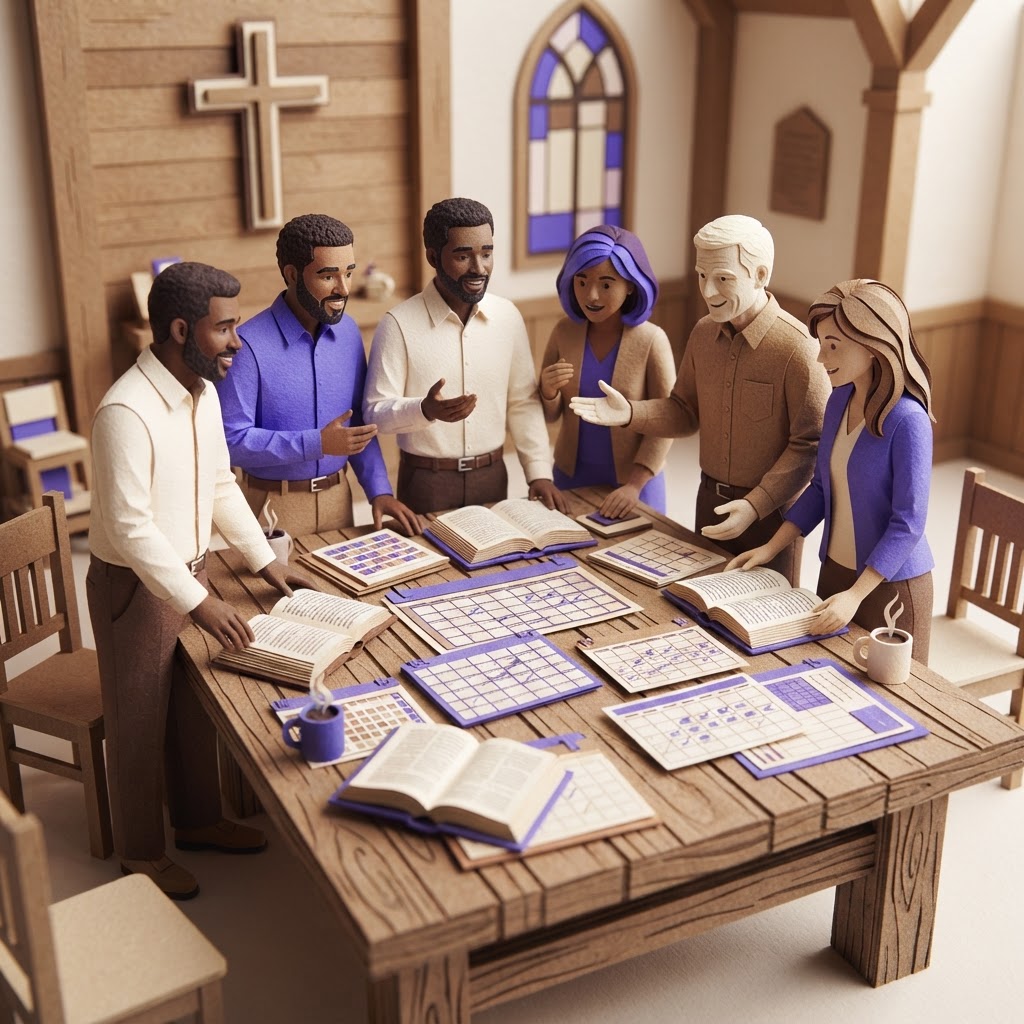
It is 9:00 PM on a Tuesday. Your youth leadership team has just finished a two-hour planning session. You have debated the merits of a new small group curriculum, finalized the logistics for the upcoming retreat, and even agreed on a plan to better engage parents. Everyone leaves feeling energized, convinced that this is the season your ministry finally hits its stride. Yet, when Sunday morning rolls around, the retreat sign-ups are still sitting in a folder, the curriculum hasn't been printed, and the parent communication plan is nowhere to be found.
If this scenario feels painfully familiar, you are not alone. Many ministry leaders suffer from the "meeting-to-oblivion" cycle, where high-level vision and strategic decisions are made in the boardroom but never actually manifest in the youth room. The problem isn't a lack of passion or prayer; it is a lack of a bridge between the decision and the execution.
The Disconnect Between Strategy and Sunday
The primary reason ministry decisions fail to reach the weekend is that they remain abstract. When we discuss "improving discipleship" or "better parent engagement," we are talking about outcomes, not actions. Without a clear, documented path from a decision to a specific task, the urgency of the moment fades by Wednesday morning.
To turn your meetings into results, you must shift your focus from merely recording what was said to documenting what will be done. Every decision needs an owner, a deadline, and a clear definition of success. If a decision doesn't have these three components, it is essentially just a suggestion.
Structuring Your Meetings for Action
The most effective way to ensure follow-through is to change how you structure your agenda. Instead of listing topics, list the desired outcomes using action verbs. For example, instead of writing "Retreat Planning" on your agenda, write "Assign retreat roles and finalize registration deadline." This forces the team to think in terms of completion rather than just discussion.
Pro Tip: Every item on your meeting agenda should contain a verb. This simple shift transforms a passive discussion into an active assignment, ensuring everyone leaves the room knowing exactly what they are responsible for.
Furthermore, you must prioritize your time. If you spend 90 minutes on logistics and only 10 minutes on the actual discipleship strategy, your results will reflect that imbalance. Use the following table to audit your current meeting time allocation.
| Meeting Segment | Focus | Desired Output |
|---|---|---|
| Vision Alignment | Mission & Values | Shared spiritual focus |
| Action Review | Past Decisions | Status updates on tasks |
| New Decisions | Strategy & Logistics | Clear assignments & deadlines |
| Prayer & Discernment | Spiritual Health | Unity & reliance on God |

Once you have a clear structure, you need a system to capture these decisions. Manual note-taking often fails because it relies on human memory to translate notes into action items. This is where tools like ReadyPen become invaluable, as they can automate the documentation of your meeting minutes, ensuring that every decision, assignment, and deadline is captured accurately and distributed to the team immediately.
Visualizing Your Ministry Velocity
When you move from a culture of "talking about ministry" to "executing ministry," you will see a measurable shift in your team's output. The following chart illustrates the typical increase in task completion when a team moves from informal, undocumented meetings to a structured, action-oriented system.
Task Completion Rate: Before vs. After Systematizing
The Power of Accountability
Accountability is not about policing your volunteers; it is about honoring their time and the ministry's mission. When you document a decision, you are creating a covenant with your team. You are saying, "We believe this is important enough to track."
Start your next meeting by reviewing the action items from the previous one. This simple act of accountability signals that your meetings are not just for brainstorming—they are for building the Kingdom. If a task wasn't completed, don't shame the person; instead, ask what obstacles they faced. Often, the barrier is a lack of clarity or resources, which you can address in real-time.

Key Takeaways
| Point | Details |
|---|---|
| Action-Oriented Agendas | Use verbs for every item to ensure clear expectations. |
| Document Everything | Capture decisions, owners, and deadlines immediately. |
| Review Previous Tasks | Start meetings by checking progress on past assignments. |
| Focus on Outputs | Prioritize discipleship results over administrative busywork. |
Conclusion
Your youth ministry is too important to be derailed by forgotten decisions and lost momentum. By shifting your meeting culture from passive discussion to active, documented execution, you empower your team to focus on what truly matters: discipling the next generation. If you are ready to stop worrying about whether your notes captured the right details and start focusing on your ministry, try ReadyPen free to automate your meeting documentation and keep your team aligned on the mission.