Facilities Walkthroughs: The Monthly Inspection That Prevents Surprises
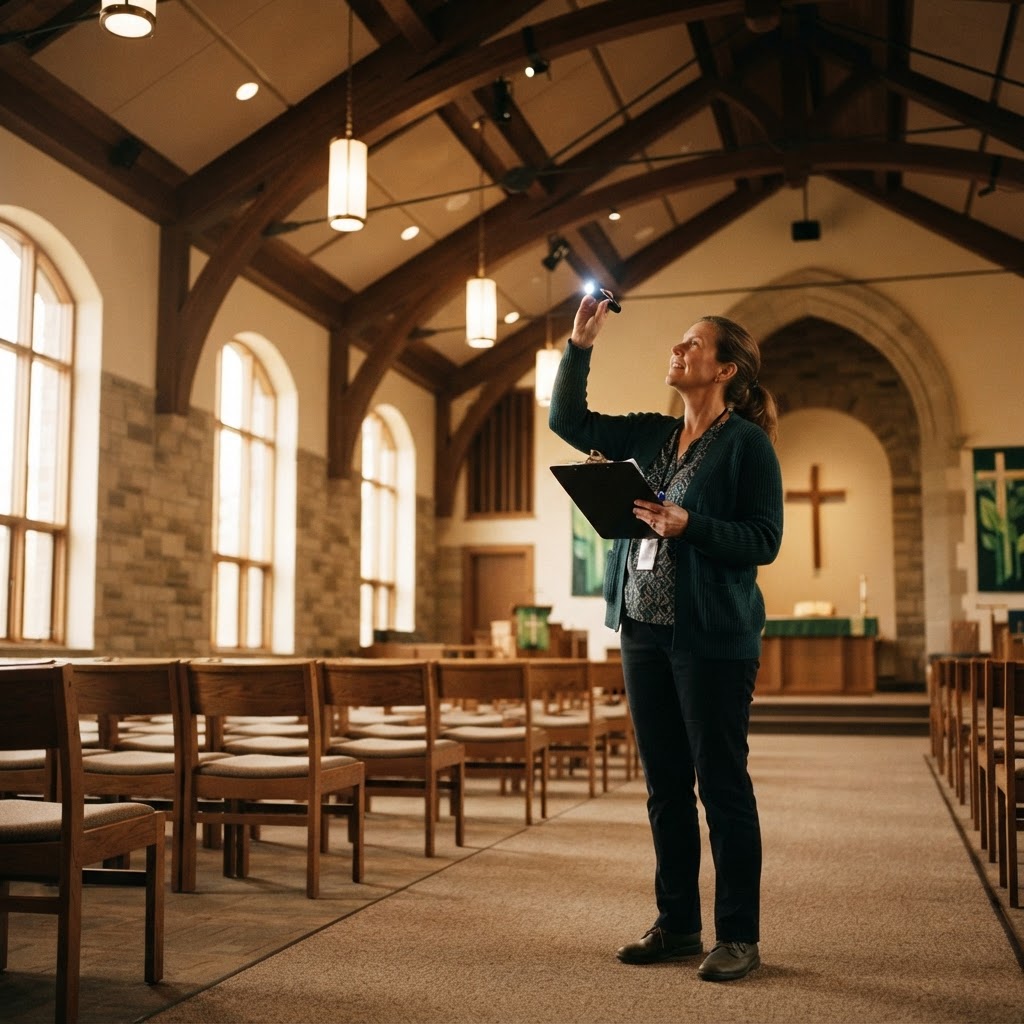
It is 8:15 AM on a Sunday morning. The worship team is warming up, the coffee is brewing, and then it happens: someone hits the light switch in the sanctuary, and half the room remains in total darkness. Or worse, a volunteer discovers a slow, persistent leak in the youth wing that has been warping the drywall for weeks, now blooming with a dark, suspicious spot. These aren't just minor inconveniences; they are morale-killers and budget-drainers that inevitably surface during the most inconvenient hours possible.
We often treat church buildings as static, unchangeable entities, assuming they will hold up through sheer willpower and the grace of God. But a building is a living system. It ages, it settles, and it breaks down in quiet, hidden corners. The difference between a church that handles building surprises with grace and one that is constantly in crisis mode isn't a larger bank account; it is a routine, systematic facilities walkthrough.
The High Cost of Reactive Maintenance
When you wait for something to break, you are almost always paying a premium for the repair. Reactive maintenance—the practice of fixing things only when they fail—often costs three to four times more than proactive maintenance. Beyond the financial impact, there is the leadership toll. Every hour your pastor or administrator spends hunting for a plumber on a Sunday morning is an hour they aren't spent ministering to the congregation.
Consider the data behind maintenance styles. Research in facilities management often highlights a clear disparity between planned and unplanned interventions. The following chart illustrates the typical distribution of effort in churches that lack a formal inspection schedule versus those that implement a monthly walkthrough.
Maintenance Effort: Planned vs. Unplanned
Designing Your Monthly Inspection Checklist
A facilities walkthrough shouldn't be an aimless stroll. It needs to be a documented event. If it isn't documented, it didn't happen, and the issues found will likely be forgotten by the next meeting. Create a standard checklist that covers high-risk areas in your building. Focus on systems that, when ignored, create the most expensive damage: HVAC units, roofing, plumbing fixtures, and fire safety equipment.
| Area | What to Check | Frequency |
|---|---|---|
| Mechanical | HVAC filter health and weird noises | Monthly |
| Plumbing | Sink, toilet, and water heater leaks | Monthly |
| Electrical | Exposed wiring and tripped GFCIs | Monthly |
| Structural | Ceiling stains and door hardware | Monthly |
Pro Tip: Take a photo of every issue you find. A picture of a frayed wire or a growing water stain is far more persuasive when you are presenting your budget request to the board than a simple line item on a spreadsheet.
Standardizing the Workflow
Once you have identified the needs, how do you ensure they are tracked? Many church leaders fall into the trap of using scraps of paper or mental notes. This is where administrative tools become vital. Just as ReadyPen helps you capture the essence of your board meetings without the stress of manual note-taking, your facilities maintenance should be equally streamlined. When you conduct your walkthrough, ensure every finding is converted into a clear, assigned action item. If you can't assign it to a person and a date, it isn't an action item; it is just a wish.
Building a Culture of Stewardship
Facility maintenance is often viewed as a chore, but it is actually a profound form of stewardship. When we take care of the building, we are honoring the resources God has provided to the congregation. A building that is well-maintained communicates respect to every visitor who walks through the doors. It says, 'We value your experience, and we are prepared for your arrival.'
Pro Tip: Recruit a 'Facilities Team' of two or three retired handymen or women in your congregation. They often possess the specific experience to spot subtle issues that others might miss, and they can provide a secondary set of eyes during the monthly walkthrough.
Key Takeaways
The transition from a reactive to a proactive facility culture doesn't happen overnight, but it begins with that first intentional monthly walk. Use the following summary to guide your next leadership meeting as you advocate for better building care.
| Key Point | Strategic Details |
|---|---|
| Shift Mindset | Stop waiting for failures; start scheduling inspections. |
| Use Checklists | Standardize the process so no area is left unchecked. |
| Assign Accountability | If a task isn't assigned to a person, it remains undone. |
| Document Everything | Use photos to justify maintenance spending to the board. |
Conclusion: Creating Peace of Mind
Your church building should serve your mission, not distract from it. By adopting a routine of monthly walkthroughs, you move your ministry from a place of constant firefighting to a position of prepared leadership. You save money, preserve your assets, and clear the path for your team to focus on the people they are called to serve.
As you refine your internal processes, remember that documentation is the backbone of operational health; just as you automate your meeting minutes and action items with try ReadyPen free, keeping a clean record of your facility needs ensures your ministry never loses focus on what truly matters.