Beyond the Bot: Why Churches Need More Than Generic AI Notetakers

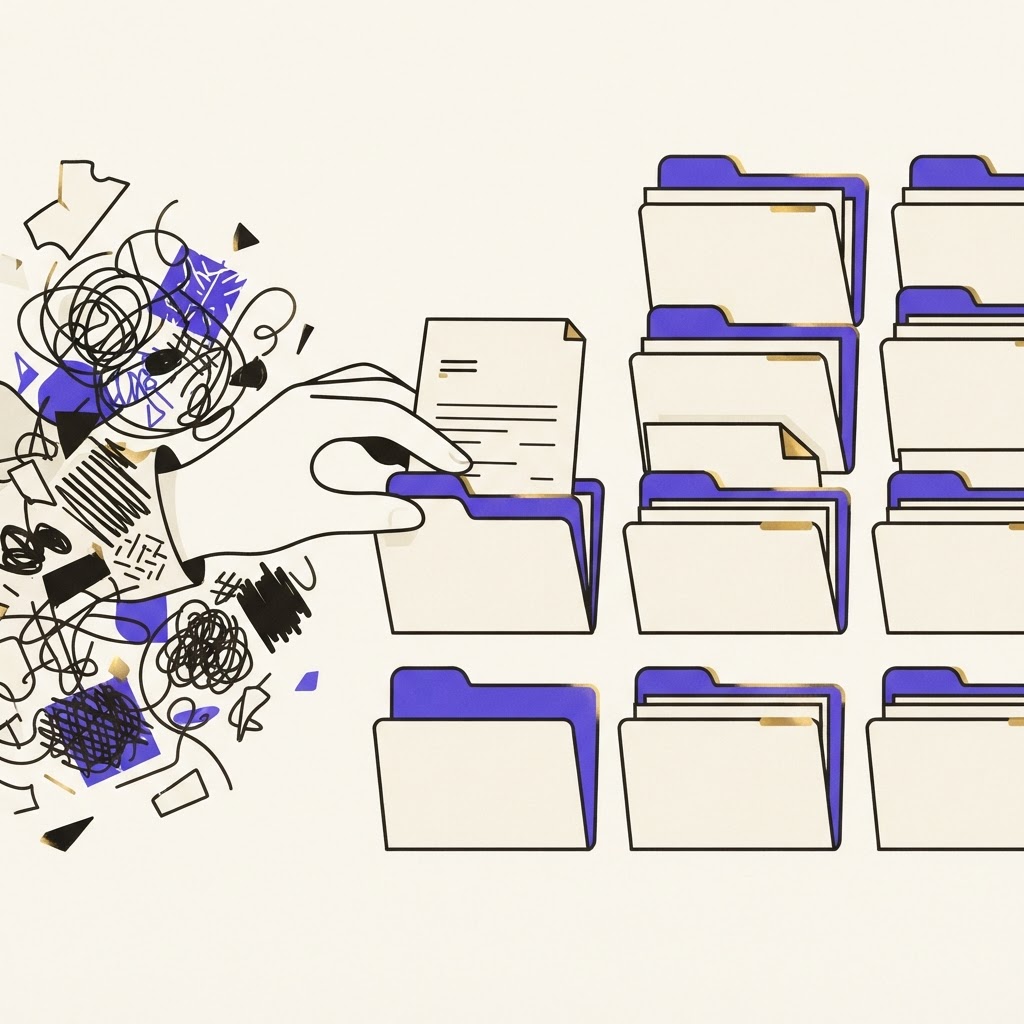
You are sitting in the fellowship hall, the board meeting has just wrapped up, and you open your AI-generated transcript. You were hoping for a clean summary of the motions passed regarding the new youth wing renovation. Instead, you find a transcript filled with corporate jargon, misidentified speakers, and a summary that highlights 'quarterly revenue targets' that your church never discussed. If you have ever felt like your meeting tool is trying to force your ministry into a business-shaped box, you are not alone. The reality is that generic AI notetakers are built for sales pipelines and corporate KPIs, not for the unique, relational, and theological nature of church governance.
When you choose a documentation tool, you need one that understands the difference between a 'client' and a 'congregant,' and between a 'sales lead' and a 'prayer request.' While tools like Otter.ai are powerful for general business, they often lack the specific vocabulary and structural requirements—like Robert’s Rules of Order or denominational compliance—that church secretaries and pastors rely on to keep their records audit-ready and accurate.
The Limitations of Corporate-First AI
Most AI transcription platforms are designed to optimize for the corporate world. They are built to track action items for project managers, identify sales opportunities for account executives, and summarize earnings calls for stakeholders. When you feed a church board meeting into these systems, the AI often struggles with the specific vocabulary of ministry. It may misinterpret theological terms, fail to capture the nuance of a sensitive pastoral discussion, or prioritize 'action items' that are irrelevant to your church's mission.
Furthermore, these tools often rely on 'meeting bots' that join your Zoom or Google Meet calls. While convenient, these bots can feel intrusive in a sacred space. For a church board, the priority is not just capturing every word, but capturing the right words—the motions, the votes, and the consensus—in a format that is ready for the official minute book.
Comparing Your Options: A Church-Focused View
To help you navigate the landscape, we have compared the leading general-purpose tool with specialized solutions. Please note that ReadyPen is our own product, built specifically to address the gaps we saw in the market for ministry teams.
| Feature | Generic AI (e.g., Otter.ai) | ReadyPen (Church-Specific) |
|---|---|---|
| Primary Focus | Sales, Corporate, General | Church Boards, Staff, Ministry |
| Vocabulary | Business/Corporate | Theological/Ministry-Specific |
| Meeting Structure | Open-ended/Chat-based | Robert's Rules/Formal Minutes |
| Data Privacy | General Business Standards | Ministry-Focused Governance |
| Best For | General brainstorming | Official board/staff minutes |
Pro Tip: When evaluating any AI tool, check if it allows you to define custom vocabulary. A tool that recognizes 'deacon,' 'elder,' and 'vestry' out of the box will save you hours of manual editing compared to one that constantly flags these as typos.

The following chart illustrates the time-saving potential of using a tool that understands your specific context versus one that requires heavy manual cleanup. These figures are illustrative of the typical experience reported by church administrators who switch from generic tools to specialized ones.
Average Time Spent Editing Minutes Post-Meeting
When a Generic Tool Is Actually the Right Choice
We believe in being honest brokers. There are times when a generic tool like Otter.ai is perfectly sufficient. If your church staff is primarily using AI for quick, informal brainstorming sessions, or if you are transcribing a casual small-group discussion where formal minutes are not required, the robust feature set of a general-purpose tool can be a great asset. Otter.ai, for instance, offers excellent integrations with Slack and CRM tools that might be useful for your outreach team. If your needs are purely about capturing a rough transcript for personal reference, don't feel pressured to switch to a specialized tool.
The Importance of Audit-Ready Documentation
For church boards, the minutes are more than just notes; they are legal and historical documents. They must be accurate, objective, and compliant with your church's bylaws. Generic AI tools often focus on 'summaries' that capture the 'vibe' of a meeting, but they frequently miss the formal motions and the exact wording of decisions. When you use a tool designed for ministry, you ensure that the output is structured to meet the standards of your denomination, making the secretary's job significantly easier during the review process.
Key Takeaways
| Point | Details |
|---|---|
| Context Matters | Generic AI lacks the theological and procedural vocabulary of a church. |
| Efficiency | Specialized tools reduce the need for manual editing of formal minutes. |
| Governance | Church minutes are legal records; they require precision over 'summaries.' |
| When to use Generic | Use for informal brainstorming or casual team syncs. |
| When to use Specialized | Use for board meetings, elder sessions, and official records. |
Pro Tip: Always ensure your meeting documentation tool allows for local data storage or high-level encryption, especially when discussing sensitive personnel or financial matters within the church.
Conclusion
Your church's time is a precious resource, and your board's decisions deserve to be documented with care and precision. While generic AI tools have their place in the corporate world, they often fall short of the specific, high-stakes requirements of ministry governance. By choosing a tool that understands the unique rhythm and structure of church life, you can reclaim hours of administrative time and ensure your records are always ready for the next season of ministry. If you are ready to move beyond the limitations of generic notetakers, you can try ReadyPen free to see how we automate meeting notes and minutes specifically for church boards and staff.