AI Note-Taking vs. Church Secretaries: Finding the Right Balance

The Hidden Cost of 'Who's Taking Notes?'
Picture the scene: your board meeting is wrapping up. The discussion was rich, the prayer was deep, and the decisions made will shape the next quarter of your church’s life. Then, the silence hits. The pastor looks around the table and asks, 'So, who caught all that?' A collective groan follows. Your church secretary is already juggling a dozen other tasks, or perhaps you don't have one at all, leaving the responsibility to a volunteer who just wants to get home to their family.
This is the reality for thousands of ministry teams. We treat meeting documentation as an afterthought, yet it is the primary way we maintain institutional memory and accountability. When we rely on manual note-taking, we often end up with fragmented records, missed action items, and a exhausted team. But is the answer simply to replace the human element with an AI bot, or is there a more nuanced way to handle the administrative heartbeat of your church?
The Case for AI: Speed, Consistency, and Cost
Artificial Intelligence has moved beyond the realm of science fiction and into the church office. Tools like ReadyPen are designed specifically to handle the heavy lifting of transcription and summarization. The primary advantage here is objectivity. An AI doesn't get tired, it doesn't have 'off' days, and it doesn't interpret a heated debate through the lens of personal history. It captures what is said, organizes it into clear action items, and does so in seconds.
From a financial perspective, the math is compelling. While a human secretary provides invaluable relational and operational support, the cost of having them spend hours transcribing audio is significant. When you consider that a secretary might spend 25% of their time on documentation, the opportunity cost is massive. AI tools offer a fraction of that cost, allowing your staff to focus on the 'wisdom work'—the pastoral care, strategic planning, and discipleship that only a human can provide.
Estimated Weekly Time Savings (Hours)
Pro Tip: When using AI for sensitive church board meetings, always ensure your tool is configured for privacy. Look for platforms that do not use your meeting data to train their public models, keeping your church's internal discussions confidential.
When a Human Secretary is Irreplaceable
While AI is a powerhouse for data, it lacks the 'sanctified intuition' of a seasoned church secretary. A human secretary does more than record words; they understand the context. They know that when a board member says, 'I'm not sure about this,' they are actually expressing a deep-seated concern about the church's mission. An AI might capture the words, but a human captures the tone, the hesitation, and the underlying relational dynamics.
Furthermore, a secretary acts as a gatekeeper and a facilitator. They ensure that the right people are in the room, that the agenda is distributed, and that the follow-up actually happens. AI can generate a list of action items, but it cannot walk down the hall to remind a ministry leader that their report is due. The human element is essential for the culture-building aspect of church administration.
The Hybrid Model: The Best of Both Worlds
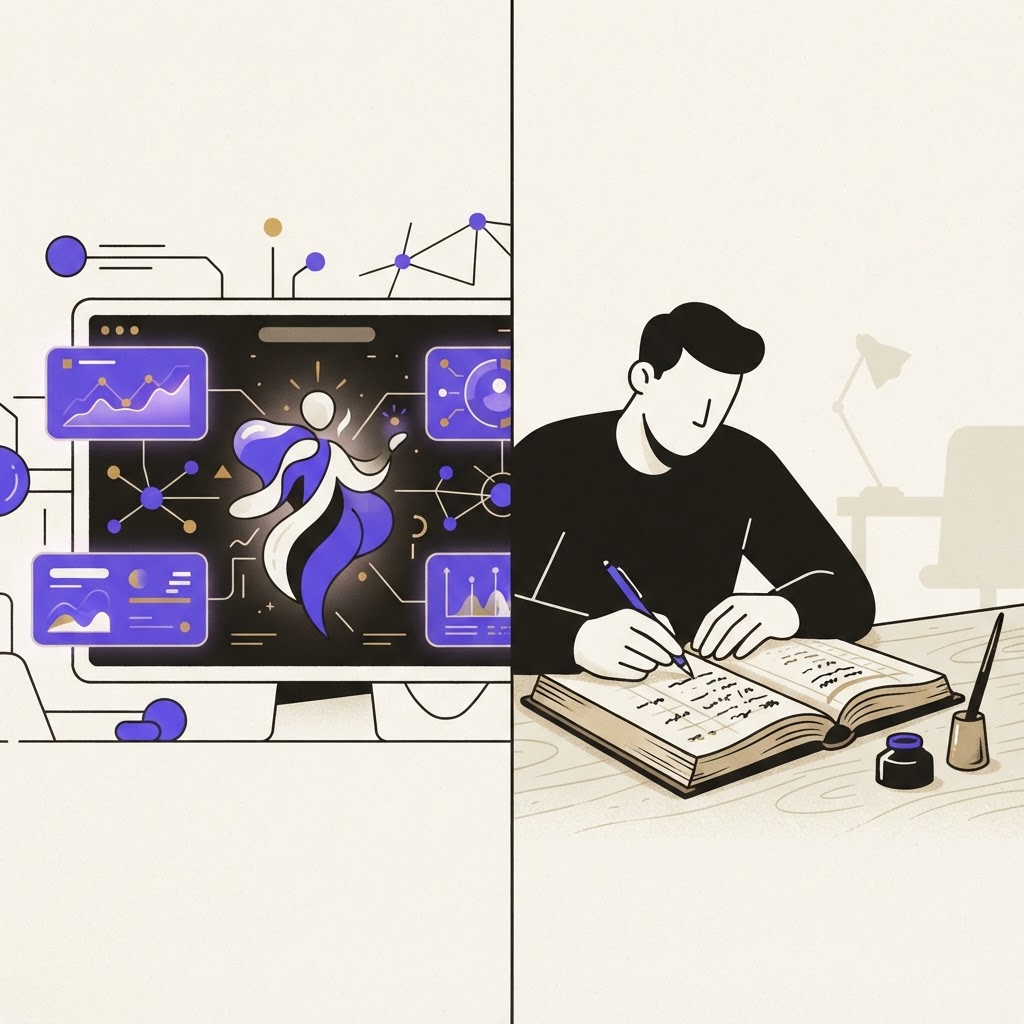
The most effective churches are moving toward a hybrid model. They use AI to handle the 'heavy lifting'—transcribing the meeting, identifying key decisions, and drafting the initial summary. Then, the human secretary reviews that draft, adds the necessary context, ensures the tone is appropriate for the church's culture, and distributes it to the team.
This approach respects the time of your staff while maintaining the relational warmth that defines your ministry. It turns the secretary from a 'note-taker' into an 'editor and facilitator,' which is a much higher-value role for the health of your church.

| Feature | AI Note-Taker | Human Secretary |
|---|---|---|
| Speed | Instant | Delayed (Hours/Days) |
| Contextual Nuance | Low | High |
| Cost | Low (Subscription) | High (Salary/Benefits) |
| Relational Follow-up | None | High |
| Consistency | High | Variable |
Key Takeaways
| Point | Details |
|---|---|
| AI Strengths | Speed, objective transcription, and cost-efficiency for routine tasks. |
| Human Strengths | Relational context, cultural nuance, and proactive follow-up. |
| The Hybrid Approach | Use AI for the first draft; use humans for review and relational application. |
| Confidentiality | Always choose tools that prioritize data privacy for sensitive ministry discussions. |
Pro Tip: Don't try to automate everything at once. Start by using AI for your staff meetings or ministry team syncs. Once you are comfortable with the accuracy and privacy, move it to your board or elder meetings.
Conclusion
The goal of church administration isn't to create the perfect document; it's to equip the saints for the work of ministry. By offloading the repetitive, time-consuming task of note-taking to technology, you reclaim hours that can be better spent on prayer, vision, and pastoral care. You don't have to choose between efficiency and humanity—you can have both. If you are ready to stop drowning in meeting notes and start focusing on your calling, you can try ReadyPen free to see how it can automate your church's documentation process.