Accessibility Audits: Making Your Church Building Truly Welcome to All
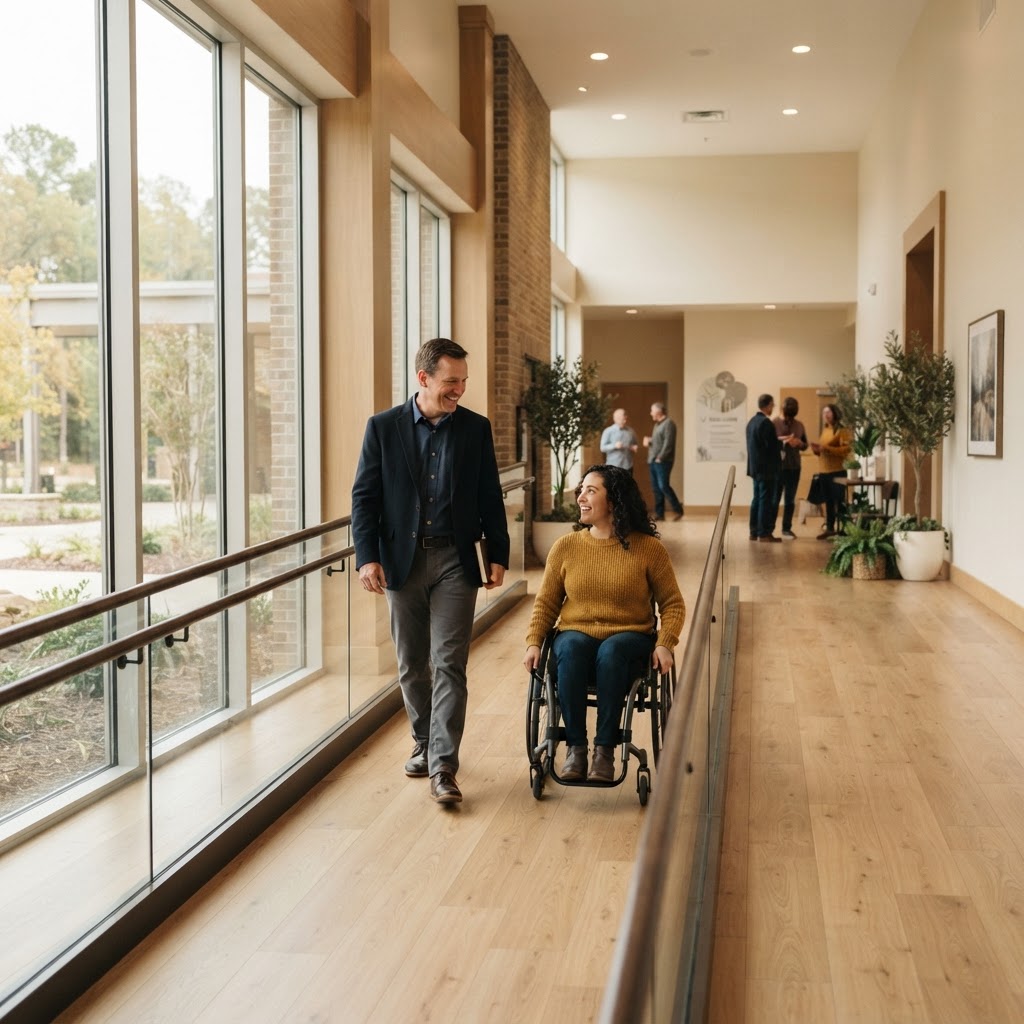
Picture this: It is Sunday morning, and a long-time member of your congregation arrives at the sanctuary doors in a wheelchair, only to find that the only accessible entrance is locked, forcing them to navigate a gravel path around the entire perimeter of the building. Or consider the family arriving with a sensory-sensitive child, only to be overwhelmed by the unmoderated acoustics and lighting in the lobby before they even reach the sanctuary. These moments are not just logistical oversight; they are silent messages that say, 'We didn't expect you.'
As church leaders, we often focus on the spiritual growth and community building that happens inside our halls, but we must acknowledge that the physical environment acts as the gatekeeper to that experience. If your building design makes participation a struggle, you have effectively told a portion of your community that they are an afterthought. Conducting an accessibility audit is not merely about checking boxes for code compliance; it is a profound act of hospitality that demonstrates the love of God to those who are too often pushed to the margins of society.
Understanding the Scope of Physical Accessibility
An accessibility audit should look beyond just wheelchairs and ramps. While ADA standards provide a baseline, a truly welcoming church environment addresses a broad spectrum of human experience, including visual impairments, hearing loss, mobility challenges, and neurodivergence. When you begin your walk-through, start from the perspective of a newcomer who has never stepped into your building before. Are the parking lot markings clear? Is the signage high-contrast and easy to read? Does the pulpit have a step-free path?
In many older church structures, we face the 'historic building dilemma' where architecture creates physical silos. However, even in older facilities, small, low-cost modifications—such as portable ramps, better lighting, or dedicated quiet spaces—can make a massive difference. You do not need a million-dollar renovation to start being more accessible; you need a willingness to identify the obstacles that prevent your neighbors from engaging fully in worship.
The Accessibility Audit Checklist
To get started, use this checklist to categorize your findings. Break your audit down into zones to ensure you don't miss hidden barriers that could frustrate someone with unique needs.
| Audit Zone | What to Look For | Potential Low-Cost Fix |
|---|---|---|
| Parking & Entrance | Slope of ramps, door handle ease, signage | Installing automatic door openers or high-visibility paint |
| Sanctuary Seating | Removable chairs, space for mobility aids | Removing pews at the end of rows to create open spaces |
| Restrooms | Grab bars, lever-style handles, space | Updating hardware and ensuring clear floor space |
| Communication | Induction loops, captions, large-print bulletins | Using a tablet for captioning or hiring a sign language interpreter |
Pro Tip: Do not guess what people need. Form an audit committee that includes members of your congregation who live with disabilities. Their lived experience is the most valuable data you will ever gather.
Data: The Reality of Barrier-Free Worship
Often, leaders believe that accessibility is only for a small fraction of the population, but the numbers tell a different story. As the population ages, the likelihood of a regular attendee requiring some form of physical accommodation increases significantly. When you optimize your building, you are not just helping one person; you are creating a facility that serves everyone through every stage of life. The following chart illustrates the reported increase in participation when churches implement intentional accessibility improvements (illustrative data based on ministry engagement surveys).
Increase in Participation After Accessibility Improvements
Managing the Process with Care
As you collect notes during your audit, you will likely find a long list of needed repairs or renovations. Do not let this overwhelm your board or staff. Instead, treat it like any other strategic ministry project. As you document your findings, consider how you communicate these needs to your leadership team. When you use a tool like ReadyPen to document your board and planning meetings, you ensure that the insights from your accessibility audit remain a permanent, actionable part of your church's record. This keeps the vision for inclusivity front and center during every budget discussion, ensuring these needs are never lost in the shuffle of day-to-day operations.
Pro Tip: Prioritize 'dignity-based' accessibility. Avoid placing wheelchair seating only in the back or the very front; allow people to choose where they sit alongside their families and friends.
Fostering a Culture of Inclusion
Finally, remember that the most beautiful building in the world cannot make up for an unwelcoming attitude. An accessibility audit is the first step, but training your ushers, greeters, and volunteers on how to interact with people of all abilities is just as critical. Make sure your team knows how to communicate with people who are deaf or hard of hearing and how to offer assistance without being patronizing. True accessibility is a combination of physical modifications and a radical commitment to being the hands and feet of Jesus to every person who walks through your doors.
Key Takeaways
| Key Point | Actionable Detail |
|---|---|
| Audit Holistically | Look at parking, navigation, acoustics, and seating. |
| Involve Community | Include members with disabilities in the audit process. |
| Focus on Dignity | Ensure modifications allow for participation alongside others. |
| Document & Plan | Use consistent note-taking to track progress over time. |
Conclusion
Your church building is more than just a place of gathering; it is the physical manifestation of your mission to welcome the world. By taking the time to conduct a thorough accessibility audit, you clear the path for everyone to experience the grace of God without unnecessary friction. We hope this guide helps you take the first steps toward a more inclusive campus. If you are looking for a better way to track your ministry goals and keep your team aligned during your planning process, try ReadyPen free to see how we help automate your meeting minutes and documentation so you can focus on the people who matter most.